
Your Guide to Smart Home Electrical Integration
Smart home technology is no longer science fiction; it's a part of everyday life for many of us in the Tulsa area. From asking a smart speaker to play your favorite song to adjusting the thermostat from your phone, these conveniences make our lives easier and more efficient. But behind every seamlessly working smart device is a critical component that’s often overlooked: your home's electrical system. To get the reliability, safety, and performance you expect from your investment, a solid electrical foundation is non-negotiable. This guide will walk you through the essential electrical considerations for creating a truly intelligent home, ensuring your smart technology works for you, not against you.
The Foundation: Powering Your Smart Home Correctly
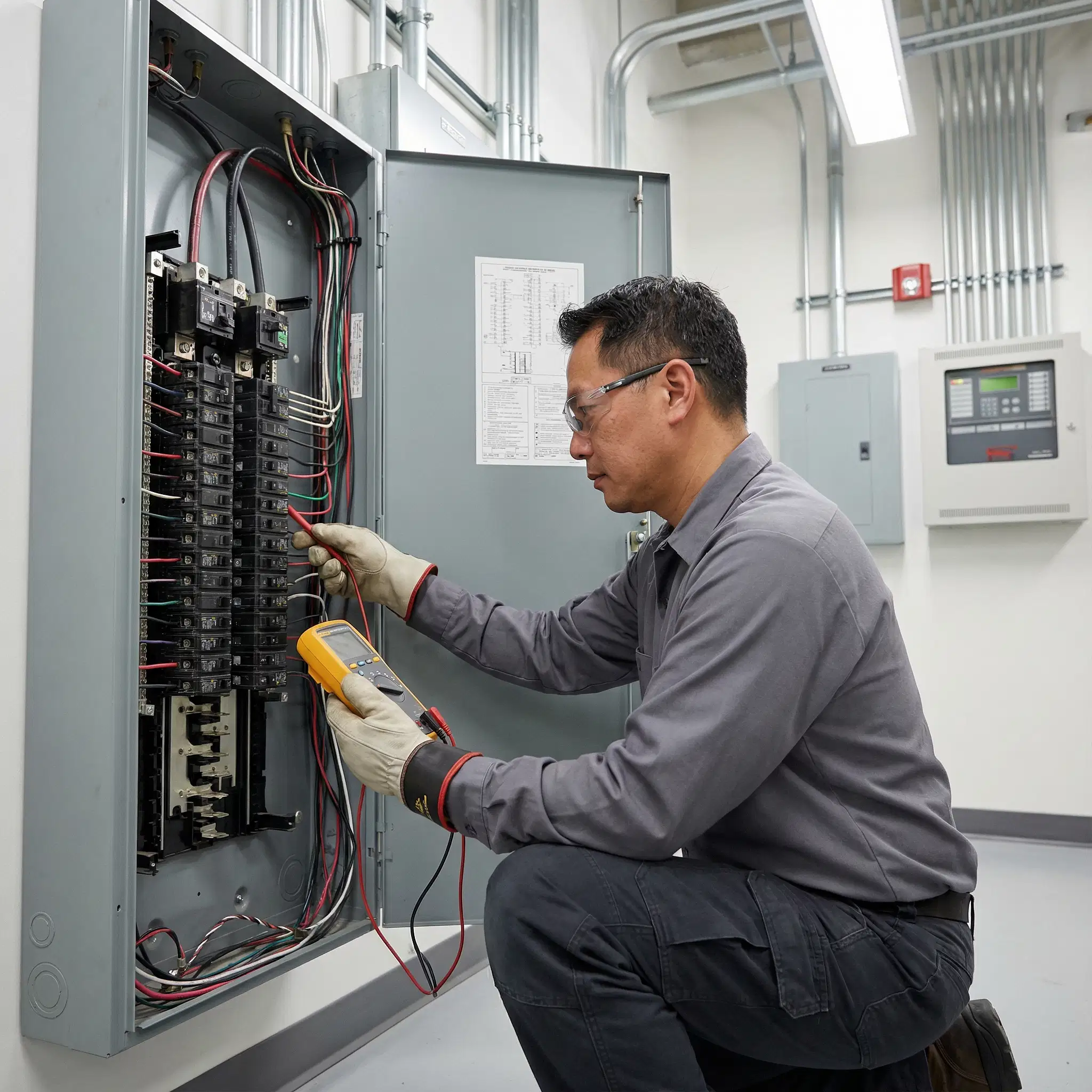
Before you can enjoy automated lighting or advanced security, you need to ensure your home's electrical system is up to the task. The central hub of this system is your electrical panel, or as it's commonly known, the breaker box. Many older homes in Green Country were built when electrical demands were much lower. Today, with computers, high-definition TVs, and a growing number of smart devices, these older panels can become overloaded, leading to issues like a frequently tripped breaker or, worse, unsafe conditions.
A crucial first step in any smart home journey is a professional electrical inspection. A licensed electrician can determine if your current panel has enough capacity. If not, a service upgrade may be necessary to safely power your new technology. This isn't just about adding more circuits; it's about ensuring the heart of your electrical system can reliably support both your current and future needs. Proper wiring and sufficient power are the bedrock of a dependable smart home.
Beyond the Bulb: Integrating Smart Lighting and Switches
One of the most popular entry points into home automation is smart lighting. While screwing in a Wi-Fi-enabled bulb is simple, a fully integrated system offers far more control and reliability. This is where smart switches, dimmers, and outlets come in. These devices replace your existing wall switches and allow you to control entire circuits of lights, ceiling fans, and more.
However, there's a common hurdle: many smart switches require a neutral wire for a constant power supply, which is often missing in the switch boxes of older homes. Attempting to install these without the correct wiring can be frustrating and dangerous. A qualified electrician can solve this by running a new wire or identifying an alternative solution. Properly installed smart home lighting control not only provides convenience but can also enhance security by allowing you to schedule lights and create a lived-in look while you're away. It’s a smart upgrade that adds real value and functionality to your home.
Enhancing Comfort and Security with Smart Devices
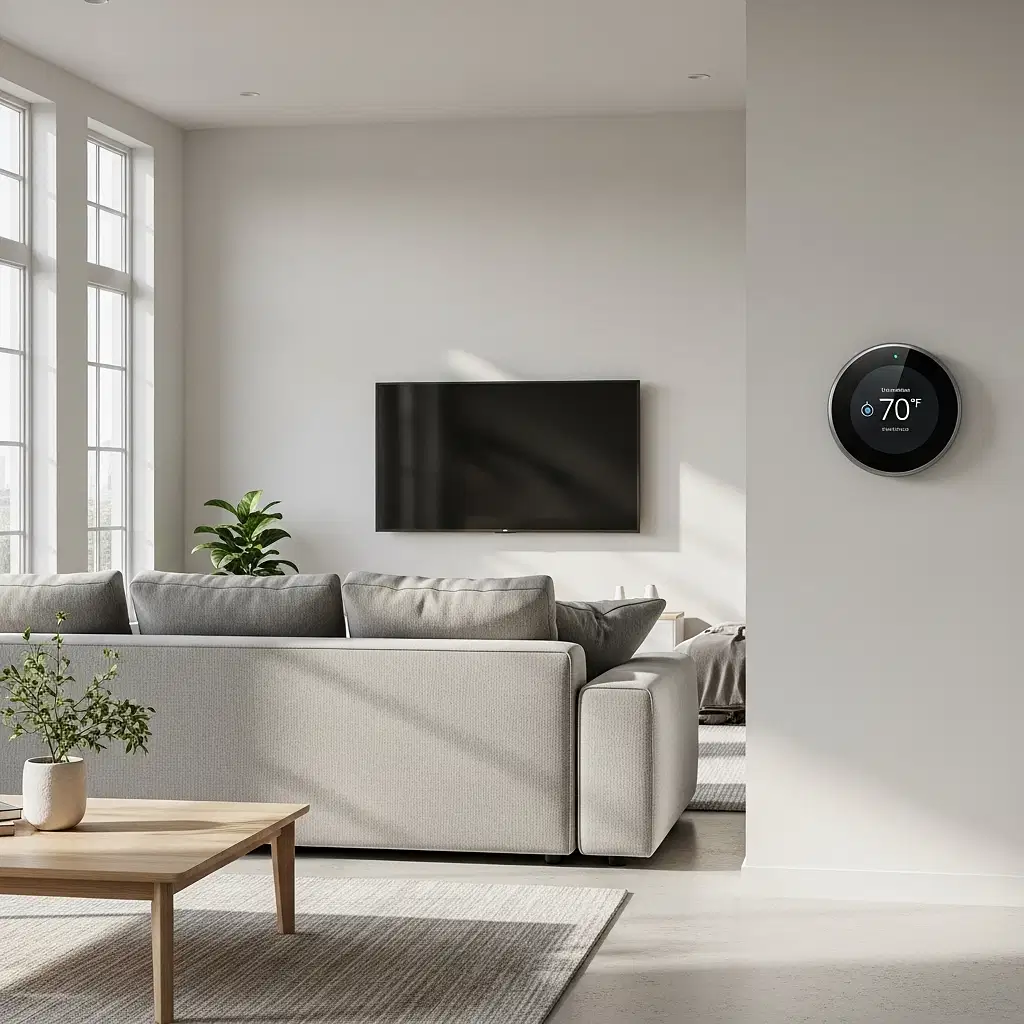
Smart thermostats and security systems are two of the most impactful upgrades you can make. A smart thermostat learns your schedule to optimize heating and cooling, saving you money on energy bills. Smart security systems, including video doorbells and cameras, provide peace of mind. For these devices to function reliably, they need consistent power.
While some models are battery-operated, hardwired versions are often preferred for their dependability—you never have to worry about a dead battery at a critical moment. Integrating a smart thermostat may require a specific power wire (often called a C-wire) that your old thermostat didn't need. Likewise, the wiring for home automation systems like security cameras ensures a stable connection and continuous recording. Entrusting the installation to a professional ensures these vital systems are connected safely and correctly, giving you the performance and peace of mind you paid for.
Future-Proofing Your Home: Smart Wiring for Remodels and New Builds
The absolute best time to plan for a smart home is during a remodel or new construction project. This is your opportunity to build the electrical infrastructure that will support technology for years to come. When the walls are open, it's significantly easier and more cost-effective to run the right wiring.
When planning your project, consider working with your electrician to:
- Run Ethernet Cables: While Wi-Fi is great, a hardwired connection for key devices like computers, smart TVs, and security hubs is faster and more reliable.
- Install Extra Outlets: Think about where you'll want to place smart speakers, charging stations, or security cameras and add outlets accordingly.
- Use Deeper Junction Boxes: This provides more room for bulky smart switches and dimmers.
Integrating smart home planning into your Remodel Services or New Construction Wiring is a forward-thinking investment that adds significant value and convenience to your property.
Let's Build Your Smart Home the Right Way
A truly smart home is more than just a collection of gadgets; it's a fully integrated system built on a safe and reliable electrical foundation. From ensuring your breaker box can handle the load to installing the correct wiring for your devices, professional expertise is key to getting it right.
Whether you're just starting with a single smart device or planning a complete home automation system in the T-Town area, Durant Electric, LLC is here to help. Our team of licensed and insured electricians has the knowledge to ensure your smart home is powerful, safe, and dependable. Contact us today to schedule a consultation for an electrical inspection or to discuss your remodeling and new construction needs.