
Your Guide to a Home EV Charger Installation
Bringing home a new electric vehicle is an exciting milestone. The thought of skipping the gas station for good and enjoying a quiet, powerful ride is a huge leap forward. As more drivers across the Tulsa area make the switch, the biggest perk becomes clear: the convenience of waking up to a fully charged car every morning. But to make that happen safely and efficiently, your home's electrical system needs to be ready.
Many homeowners are surprised to learn that you can't always just plug a high-speed charger into any outlet. Preparing your home for an EV charger involves understanding your current electrical capacity and ensuring the installation is done correctly. This guide will walk you through the key considerations for a smooth, safe, and reliable home charging setup.
Understanding the Different Levels of EV Charging
When it comes to charging your EV at home, you have two main options: Level 1 and Level 2.
-
Level 1 Charging: This method uses a standard 120-volt household outlet—the same kind you use for your lamps and television. While it requires no special installation, it's also incredibly slow. A Level 1 charger might only add 3-5 miles of range per hour of charging. For most drivers, this isn't a practical long-term solution and is best reserved for emergencies.
-
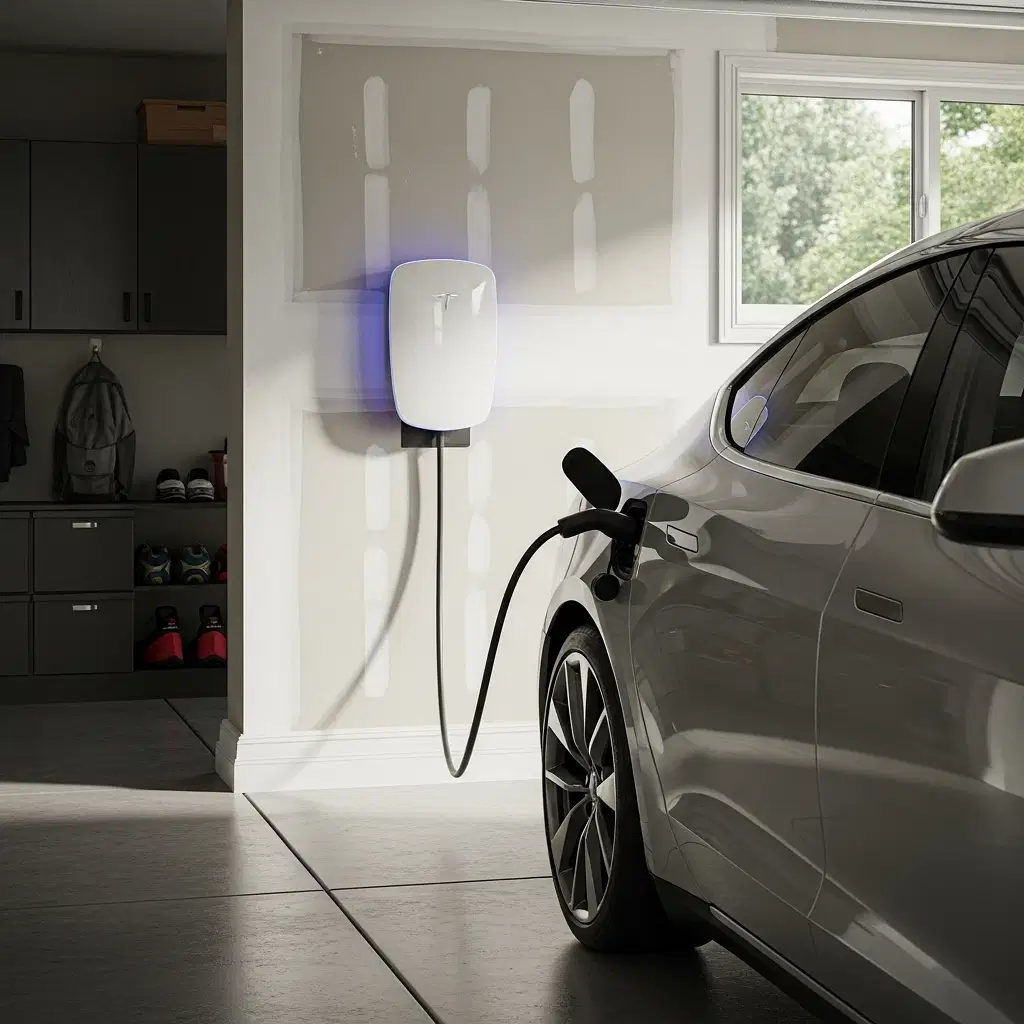
Level 2 Charging: This is the gold standard for residential EV charging. Level 2 chargers use a 240-volt circuit, similar to what an electric dryer or oven uses. The difference is dramatic—a Level 2 charger can add 25-40 miles of range per hour, easily replenishing your battery overnight. This level of performance requires a dedicated circuit and professional installation, but the reliability and speed are essential for daily driving.
Is Your Electrical Panel (Breaker Box) Ready for the Job?
The heart of your home's electrical system is the main service panel, often called the breaker box. This panel distributes power to all the circuits in your house. A Level 2 EV charger is a high-power device that requires its own dedicated circuit, typically between 40 and 60 amps.
Before installation, the most critical step is determining if your current panel has enough capacity to handle this new, significant load. Many older homes in Green Country were built with 100-amp or 150-amp panels, which may already be close to their limit with modern appliances like central air conditioning, electric stoves, and water heaters. Adding an EV charger to an already strained panel can lead to frequently tripped breakers or, more seriously, create a dangerous overload and fire hazard.
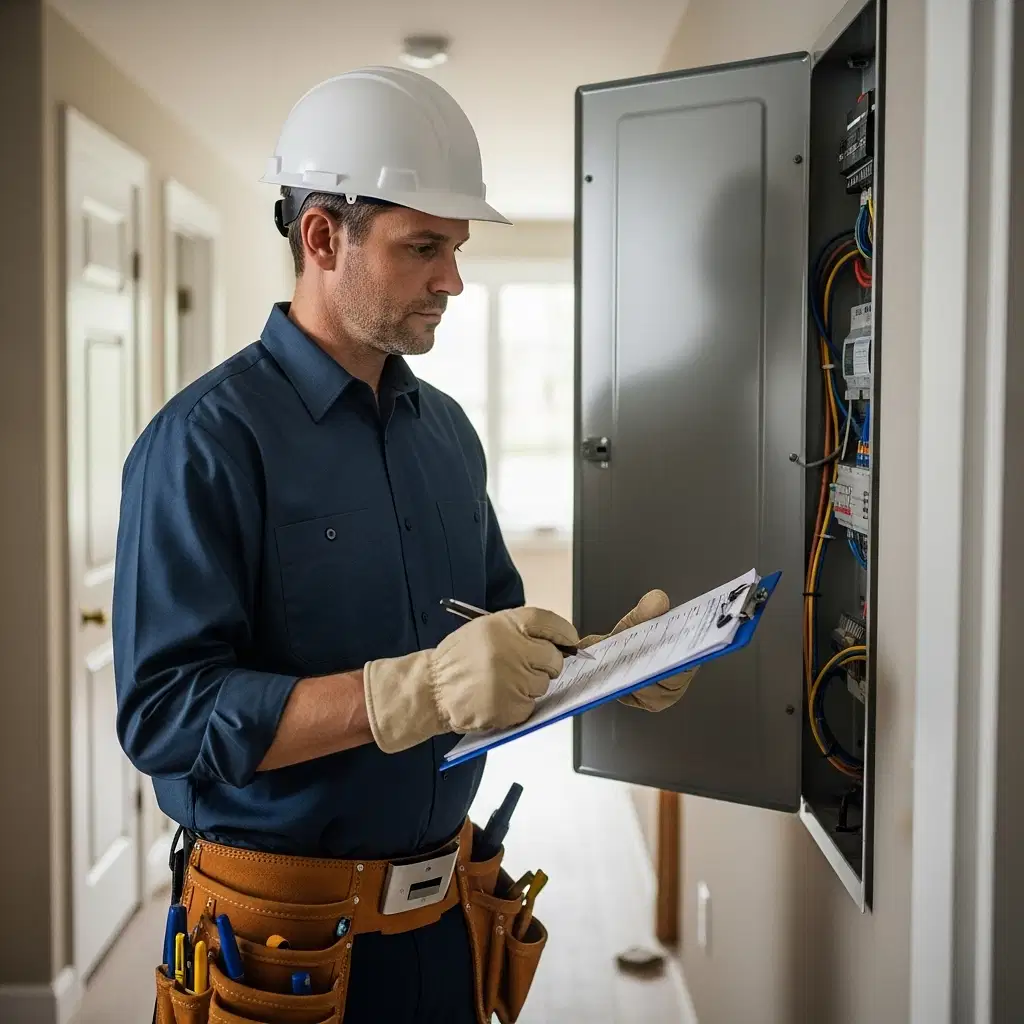
A licensed electrician will perform a load calculation to assess your home's total electrical demand. If your panel is undersized or lacks the physical space for a new double-pole breaker, a service upgrade may be necessary. Upgrading your panel not only makes your home EV-ready but also improves the overall safety and capacity of your electrical system for future needs. For a thorough evaluation of your system, it's best to seek professional panel services.
The Professional Installation and Inspection Process
Installing an EV charger is not a DIY project. It involves working with high voltages and requires a deep understanding of the National Electrical Code (NEC) as well as local regulations to ensure safety and compliance. A professional installation process prioritizes safety and long-term reliability.
Here’s what you can expect when you work with a qualified electrician:
- Initial Assessment: We start by inspecting your breaker box, discussing your driving habits, and helping you choose the best location for the charger. We'll determine if your panel can support the new circuit or if an upgrade is needed.
- Permitting: Most electrical work of this scale requires a permit from your local municipality. This ensures the installation is performed to code and is properly documented—a crucial step for safety and your home's insurance.
- Installation: Our licensed electricians will run a new, dedicated 240-volt circuit from your panel to the charger location. We install the proper wiring, a new circuit breaker, and either a 240-volt outlet (like a NEMA 14-50) or a hardwired charging station.
- Final Inspection: After the work is complete, a final inspection ensures everything has been installed correctly and safely. This guarantees your new charging station is fully compliant and ready for use.
This thorough installation and inspection process gives you peace of mind, knowing your investment is protected and your family is safe.
Get Ready to Charge at Home with Confidence
The transition to an electric vehicle is a smart move for your wallet and the environment. Ensuring your home is properly equipped is the final step to unlocking the full convenience of EV ownership. From assessing your electrical panel's capacity to performing a safe, code-compliant installation, a professional electrician is your most important partner in the process.
If you're considering an EV or have one on the way, don't leave your home charging setup to chance. The team at Durant Electric, LLC is here to help homeowners across Tulsa and the surrounding communities prepare for the future of driving. We provide expert assessments, panel upgrades, and professional EV charger installations. Contact us today to schedule a consultation and make sure your home is ready to power your new ride.