
A Homeowner's Guide to Sizing Electrical Panels for New Construction
Building a custom home is an incredible journey. You spend hours agonizing over floor plans, paint colors, and kitchen finishes to make sure every square inch matches your vision. But while those cosmetic details make your house feel like home, the true heartbeat of your new property lies hidden behind a metal door in your utility room or garage. We are talking about your electrical panel.
When designing a home in Green Country, homeowners often overlook their electrical infrastructure until the very last minute. However, sizing electrical panels for new homes is one of the most vital steps in the entire construction process. With the rapid rise of smart home technology, residential electric vehicles, and high-efficiency HVAC systems, the energy demands of the modern household have never been higher.
If you install a panel that is too small for your daily habits, you will quickly find yourself dealing with nuisance tripping, flickering lights, and the frustrating realization that you cannot safely add a hot tub or an EV charger without a costly upgrade. At Durant Electric, LLC, we want to help you get it right the first time. Let us explore how to determine the perfect electrical capacity for your new build so your home remains safe, highly efficient, and ready for whatever the future brings.
Calculating Your Home's True Electrical Load
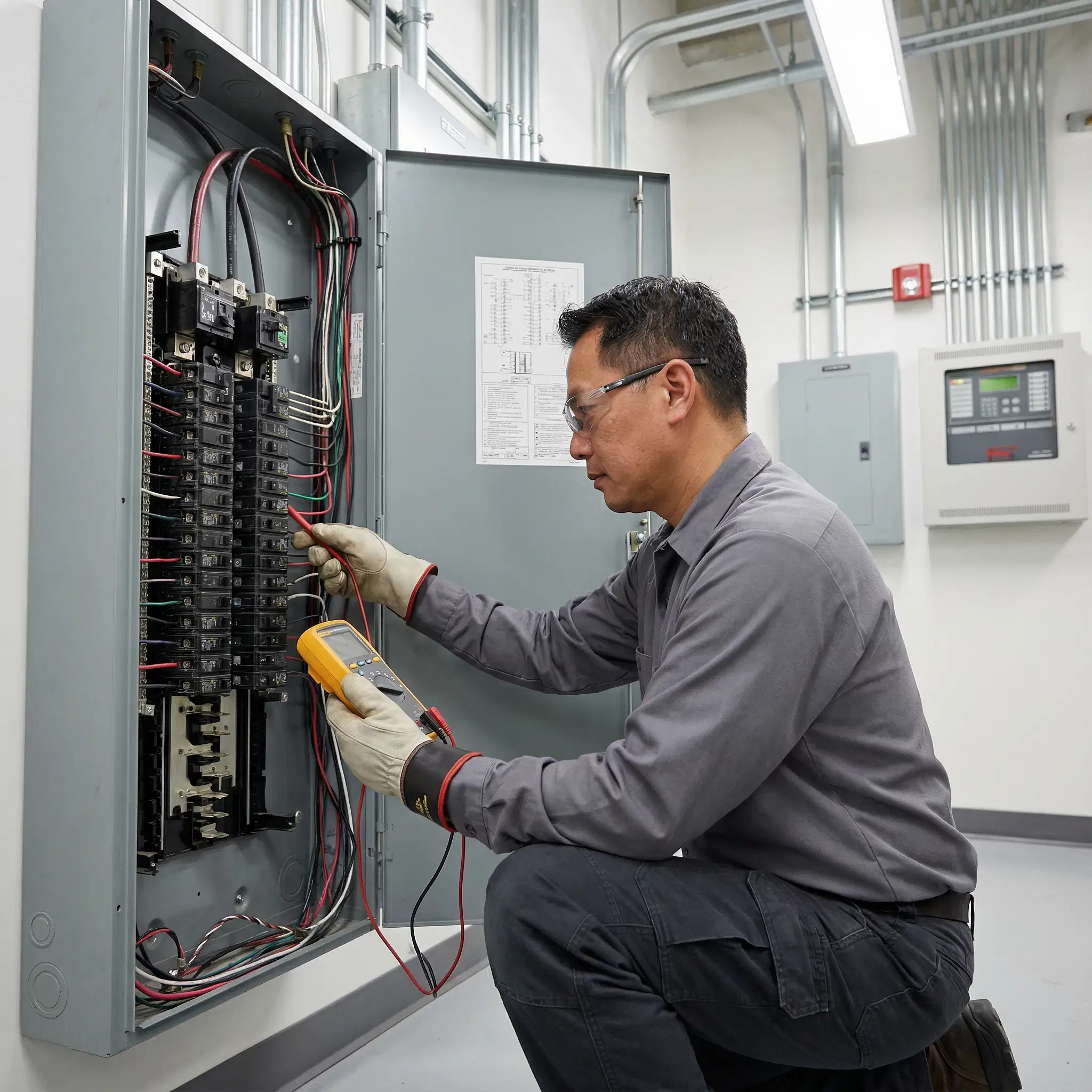
The first step in determining the right panel size is calculating electrical load for new construction. This isn't a guessing game; it is a precise mathematical process governed by the National Electrical Code (NEC). An electrical load calculation takes into account the total square footage of your property, the dedicated circuits required for major appliances, and the anticipated lighting, heating, and cooling demands.
Years ago, a 100-amp or 150-amp panel was considered standard for most residential builds. Today, a 200-amp panel is generally considered the bare minimum requirement for a newly built house. It provides enough capacity to run essential systems like central air conditioning, an electric range, a dryer, and typical daily lighting and electronics. However, as homes grow larger and more dependent on electricity rather than gas, many homeowners find themselves weighing a 200 amp vs 400 amp service new build.
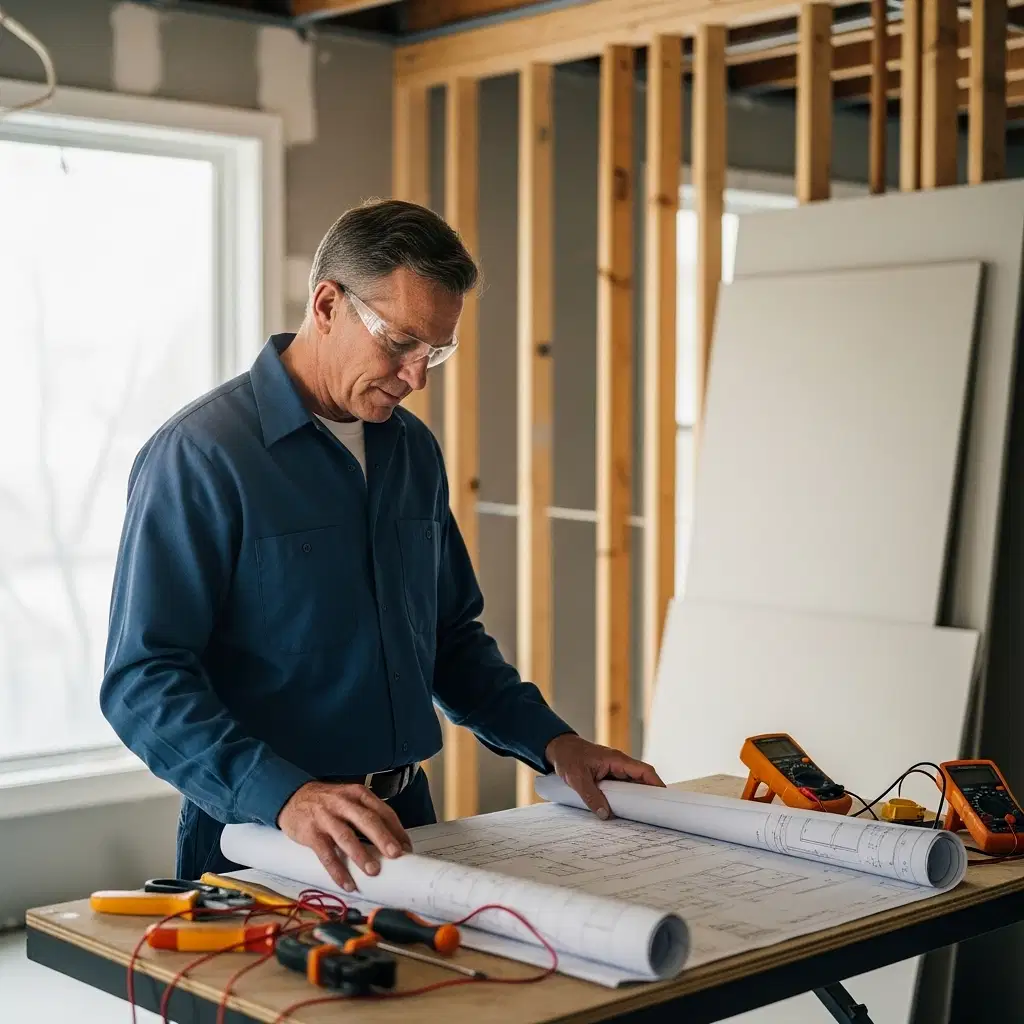
Why might you need 400 amps? If you are planning a sprawling property with multiple HVAC units, a heated swimming pool, commercial-grade kitchen appliances, or a dedicated woodworking shop in the garage, a standard 200-amp service will likely be pushed to its absolute limit. Upgrading to a 400-amp service during the initial build is far more cost-effective than trying to retrofit the system a few years down the road. During our new construction wiring process, our team sits down with you to review your blueprints and lifestyle habits, ensuring your home has the robust power foundation it actually needs.
Future-Proofing for Modern Innovations
We are living in an era of rapid technological advancement, and your home's infrastructure needs to keep up. One of the biggest trends we see in the residential construction industry is the shift toward complete home electrification. More families are adopting smart home automation, which requires continuous, stable power for security systems, automated lighting, smart thermostats, and internet-of-things devices.
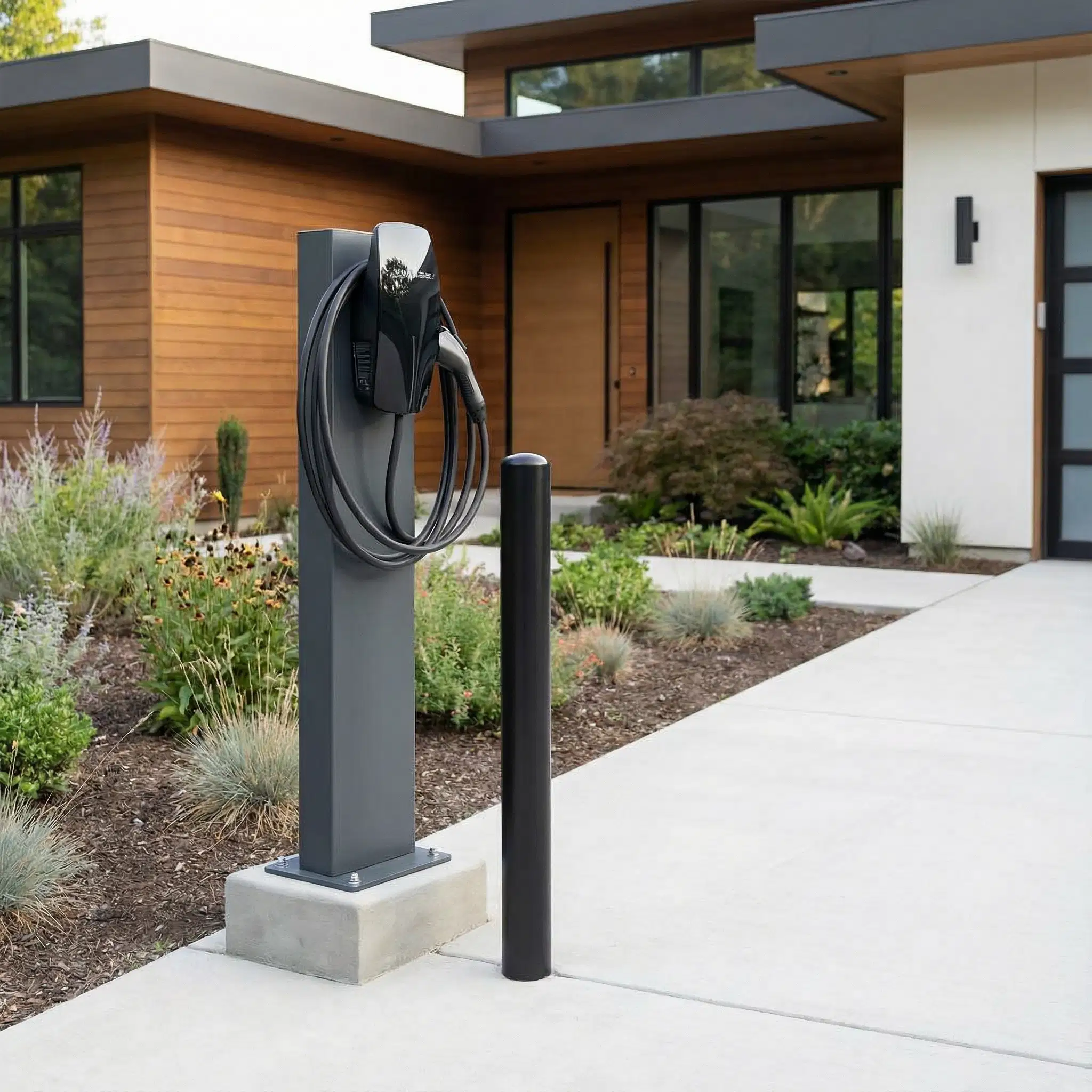
Furthermore, the adoption of electric vehicles is fundamentally changing how we plan residential electrical systems. Adding a Level 2 EV charger to your garage requires a significant amount of dedicated power. If your panel is undersized, charging your car while simultaneously running the electric dryer and the air conditioner could overload your system and trip your main breaker. By choosing the right panel installation from the start, you create a system that can handle tomorrow's innovations effortlessly without the need for immediate, expensive panel upgrades.
It is also worth noting that recent federal legislation, such as the Inflation Reduction Act, offers potential tax credits for certain energy-efficient electrical upgrades and panel installations. Planning your electrical capacity correctly now not only prepares you for renewable energy additions like future solar panels and battery storage systems, but it might also provide financial benefits and boost the long-term resale value of your property.
Why Professional Planning Guarantees Safety and Peace of Mind
Consumers often ask questions like why circuit breakers keep tripping, or whether it is safe to do DIY electrical work to save a little money. When it comes to a new build, cutting corners on your electrical infrastructure is incredibly dangerous. Faulty, outdated, or undersized wiring can lead to severe safety hazards, including electrical fires and damaged high-end appliances.
At Durant Electric, LLC, we prioritize strict code compliance, safety standards, and long-term reliability above all else. We ensure every employee is thoroughly background-checked and fully licensed so you can have complete peace of mind having our team on your property. When we are called to deal with repairs in existing homes, such as flickering lights, our process is incredibly meticulous: we isolate the source of the problem, perform precise voltage tests, develop an accurate diagnosis, and provide transparent options for a safe resolution. We bring that exact same attention to detail to every single new construction project. We don't just want your lights to turn on when you flip the switch; we want your entire electrical system to run flawlessly and safely for decades.
If you are fixin' to break ground on a custom home in the 918 area, do not leave your electrical capacity to chance or treat it as an afterthought. Proper planning requires a licensed, experienced professional who understands both the local compliance codes and the unique, heavy demands of modern living. Take the time to explore our full range of residential services and let us help you design a safe, reliable, and powerful home that your family will enjoy for generations.