
A Homeowner's Guide to GFCI Outlets: Essential Electrical Safety for Your Green Country Home
In any home, especially here in the Tulsa area, safety is the number one priority. We take steps to protect our families from all sorts of hazards, but one of the most overlooked is the risk of electrical shock, particularly in areas where water and electricity are in close proximity. You’ve likely seen those outlets with the little “TEST” and “RESET” buttons in your kitchen or bathroom. These are called GFCI outlets, and they are one of the most important safety devices in your home. Understanding what they do, where they should be, and how to maintain them is a simple step every homeowner can take to ensure their home’s electrical system is as safe as possible.
What Exactly is a GFCI Outlet?
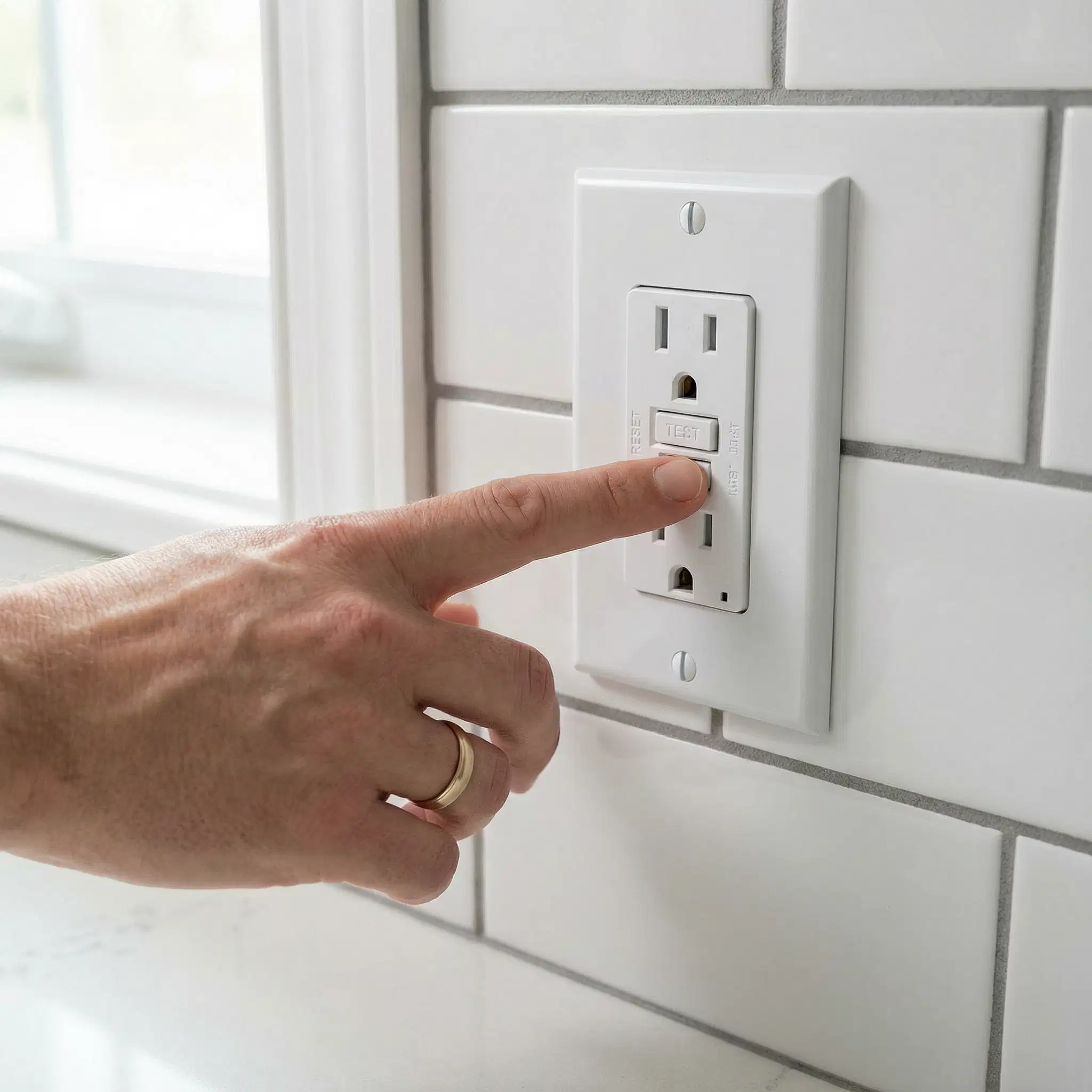
A Ground-Fault Circuit Interrupter, or GFCI, is a special type of outlet designed to prevent severe electrical shocks. Think of it as a small, incredibly fast-acting circuit breaker built right into the outlet itself. It constantly monitors the flow of electrical current in a circuit. If it detects even a tiny imbalance—meaning electricity is flowing along an unintended path, like through a person—it instantly shuts off the power to that outlet. This happens in as little as 1/40th of a second, which is faster than a blink of an eye and quick enough to prevent a serious or fatal shock.
This is different from the breakers in your main breaker box, which are designed to protect your home’s wiring from overloads and short circuits that could cause a fire. A GFCI is specifically designed to protect people from electrical shock, making it a critical layer of personal safety.
Where Are GFCIs Required in Oklahoma Homes?
To maximize safety, the National Electrical Code (NEC), which is followed locally, requires GFCI protection in specific areas of the home where the risk of shock is highest. If you live in an older home, it’s possible your electrical system may not be up to date with the latest safety standards. It's a good idea to check for GFCI outlets in the following locations:
- Bathrooms: All receptacles in bathrooms must have GFCI protection.
- Kitchens: All outlets serving countertop surfaces, and any outlet within six feet of a sink.
- Garages and Accessory Buildings: All standard 120-volt outlets.
- Outdoors: All exterior receptacles, including those for holiday lights or landscape tools.
- Crawl Spaces and Unfinished Basements: Any outlets in these areas require GFCI protection.
- Laundry Areas: Outlets within six feet of a sink.
Ensuring your home has proper GFCI coverage in these key areas is not just about meeting code; it's about providing a safe environment for you and your family. If you're unsure whether your home is adequately protected, a professional electrical inspection can provide peace of mind.
Troubleshooting Common GFCI Issues
GFCI outlets are designed to be sensitive, so occasionally you might find one has tripped. Here’s what to do.
1. How to Test and Reset Your GFCI: You should test your GFCI outlets monthly to ensure they are working correctly. Simply press the “TEST” button. The “RESET” button should pop out, and the power to the outlet should turn off. To restore power, press the “RESET” button firmly back into place. If it resets properly, you’re good to go. If it doesn't reset or immediately trips again, there might be an issue.
2. Why Does My GFCI Outlet Keep Tripping? A GFCI that trips repeatedly is doing its job by detecting a problem. This could be caused by a faulty appliance plugged into the outlet, worn or damaged wiring, or moisture getting into the receptacle box. First, try unplugging all appliances from the outlet and pressing the reset button. If it holds, one of your appliances is likely the issue. If it continues to trip with nothing plugged in, it's a sign of a more serious wiring or device issue.
3. When to Call a Professional Electrician: While a simple reset is fine for a homeowner to handle, persistent issues require professional attention. You should call a licensed electrician if:
- An outlet will not reset or test properly.
- The GFCI trips frequently and you can't identify the cause.
- You notice any signs of damage, like cracks or discoloration on the outlet.
- You have an older home and need to upgrade standard outlets to GFCIs.
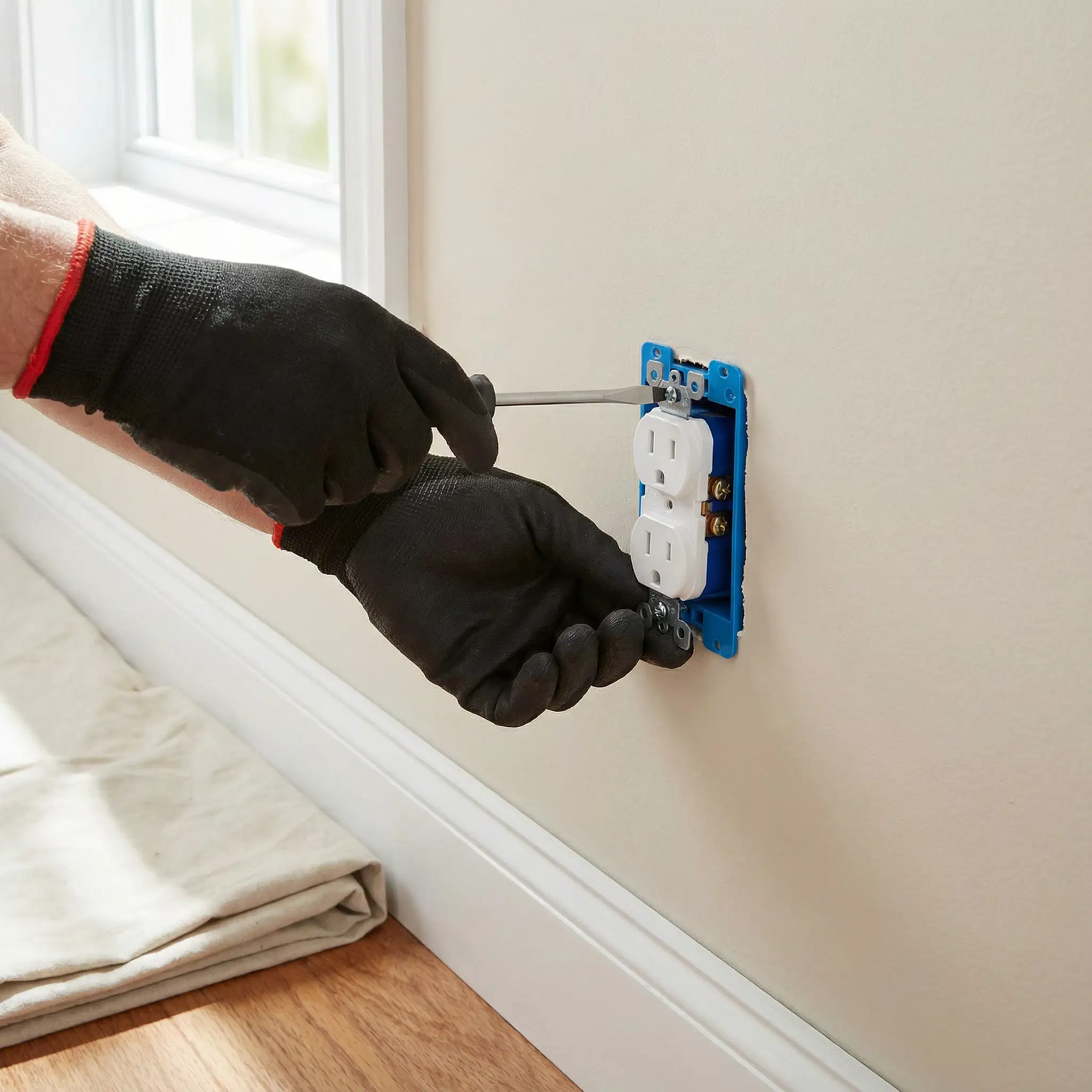
Attempting to fix these issues yourself can be dangerous. Our team has the diagnostic tools and expertise to safely identify the root cause and perform a lasting repair or replacement.
Your Partner in Home Electrical Safety
GFCI outlets are a small but powerful part of your home's electrical system, acting as a silent guardian against electrical shock. Taking a few moments to test them regularly and ensuring they are installed in all the required locations is one of the best things you can do for your family's safety. At Durant Electric, LLC, we are committed to ensuring every home we service is safe, reliable, and up to code.
If you have questions about your GFCI outlets, need to upgrade your home's protection, or have any other electrical concerns, don't hesitate to reach out. Contact Durant Electric today for professional installation, inspection, and repair services throughout the Tulsa area, and let us help you keep your home and family safe.